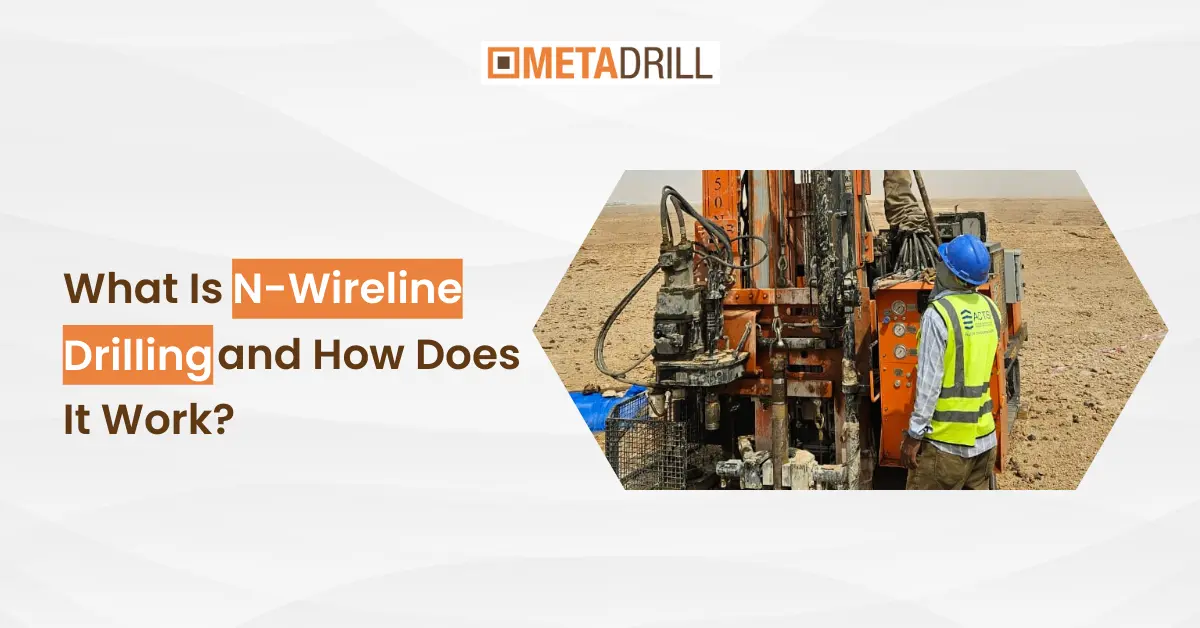
Drilling projects move fast, and every minute matters. Teams want results without stopping the machine again and again. That is where N-Wireline Drilling steps in to change everything, because it saves time and keep the drilling process easy.
Many people hear about this method but don’t fully understand how it works. So let’s break it down in simple words. This system lets workers pull out the core sample without removing the full drill rod from the hole. That single change improves both speed and cost control.
Now think about a deep drilling project. Workers use heavy machines built by drilling rig manufacturers and core drilling rig manufacturers. These machines include many parts of a drilling rig, and each part helps keep the drilling process stable.
When teams use traditional drilling:
They stop the machine
They remove drill rods
They collect the sample
Then they restart drilling
This process takes time and effort, so progress slows down.
With this wireline system, the process becomes faster and more efficient. Workers keep the drill rods inside the hole, and they pull the core sample using a wireline tool. Because of this, work continues with fewer delays, and productivity improves.
This method also works closely with modern equipment made by drill rig manufacturers and geotechnical drilling rig manufacturers. These rigs include advanced drilling rig components and strong drilling rig tools and equipment that handle deep and complex drilling conditions.
Why This Method Stands Out
Reduces downtime during drilling
Improves project speed
Keeps workflow continuous
Supports deep drilling operations
Works with modern rig systems
So if you want to understand modern drilling, you need to understand N-Wireline Drilling. In the next section, you will see exactly how this system works step by step in real projects.
What Is N-Wireline Drilling
You already saw why N-Wireline Drilling matters, so now let’s understand it in simple words. This method belongs to core drilling, and teams use it to collect rock samples from deep inside the ground without stopping the drilling process.
In simple terms, this system uses a special inner tube placed inside the drill rods. This tube holds the core sample as drilling continues. When the sample fills up, workers do not remove the full rod string. Instead, they lower a wireline tool into the hole, connect it to the inner tube, and pull it back to the surface.
Because of this process, the drill rods stay inside the hole while sampling takes place. So the work continues without long pauses, and the drilling speed improves.
Now connect this with real equipment. Modern machines built by drilling rigs manufacturers and core drilling rig manufacturers support this system with precision. These rigs include advanced drilling rig components that allow smooth operation during sampling.
Each part plays a role here. Important parts of a drilling rig like rods, inner tubes, and wireline tools must work together without error. If one part fails, the process slows down. Because of this, many rig manufacturers design their systems for accuracy and stability.
Now think about older methods. Workers had to remove every rod to collect samples, which slowed down the job. This wireline approach removes only the inner core, so the outer setup stays in place. That change saves time and reduces effort.
To put it simply, this method gives faster sampling, less downtime, and better control during deep drilling projects.
Why N-Wireline Drilling Matters in Modern Projects
Drilling projects today move under tight deadlines, so teams need speed without losing control. Because of this, N-Wireline Drilling plays a strong role in modern operations.
This method reduces downtime in a direct way. Workers do not stop the machine to remove rods again and again. Instead, they collect samples while the drill rods stay inside the hole. So the workflow continues without long pauses.
Because of this, projects move faster and stay more organized. Teams collect more samples in less time, which improves overall output.
Now let’s look at why this method stands out in real projects:
Key Advantages of This Method
Faster sampling without removing drill rods
Less downtime during drilling operations
Reduced manual work for workers
Better safety due to less handling of heavy parts
Improved sample quality and accuracy
These advantages directly impact project performance. For example, in deep drilling, even small delays increase cost. This system reduces those delays, so teams maintain steady progress.
Cost control also becomes easier. Less handling means less wear on drilling rig parts, and that reduces maintenance needs. At the same time, modern machines built by drilling rig manufacturers include advanced drilling rig components that support smooth operation.
Safety also improves. Workers perform fewer heavy tasks, and machines handle more of the process. This reduces physical risk on site.
Many geotechnical drilling rig manufacturers and oil drilling rig manufacturers now design rigs that fully support this system. These rigs use strong drilling rig tools and equipment, which handle deep and complex drilling conditions with better stability.
To put it simply, this method improves speed, safety, and efficiency at the same time. That is why modern drilling projects rely on it more than older methods.
Parts of a Drilling Rig Used in Wireline Drilling
You already understand how this method works, so now let’s look at the parts of a drilling rig that make the wireline system possible. Each part works together, and even a small issue can slow down the whole process.
Modern rigs built by drilling rig manufacturers and drilling rigs manufacturers include advanced systems that support smooth wireline operations. These systems rely on strong and well-connected drilling rig components.
Main Drilling Rig Components in Wireline Drilling
Each component plays a clear role during drilling and sampling:
Drill Rods
These rods go deep into the ground and create the drilling path. They also hold the inner tube system used in wireline drilling.
Inner Tube Assembly
This part collects the core sample. Workers pull this tube out using the wireline system while the rods stay inside the hole.
Outer Core Barrel
This section stays connected to the drill rods and supports the inner tube during drilling.
Wireline Cable System
This system pulls the inner tube back to the surface. It connects with the core barrel and lifts the sample without stopping the drilling setup.
Drilling Derrick Components
The derrick supports lifting operations and helps manage tools during drilling. It keeps the system stable while handling vertical movement.
Rotary Head or Drive System
This part rotates the drill rods and allows the rig to cut through soil or rock layers.
Hoisting System
This system controls lifting and lowering of tools and wireline equipment during the operation.
How These Drilling Rig Parts Work Together
All these drilling rig parts stay connected during the drilling process. The outer system keeps rotating and cutting through the ground, while the inner tube collects the sample.
When the sample fills up:
Workers lower the wireline tool into the hole
The tool locks into the inner tube
The system pulls the tube back to the surface
The drill rods remain inside the hole
Because of this setup, the drilling process continues without interruption.
Why These Parts Matter in Real Projects
Each part must perform without failure. If one component stops working, the entire drilling process slows down. Because of this, many rig manufacturers design machines with strong and precise systems.
You will also notice that modern rigs from oil drilling rig manufacturers and geotechnical drilling rig manufacturers use high-quality rig machine parts. These parts handle pressure, depth, and continuous operation without frequent breakdowns.
How N-Wireline Drilling Works Step by Step
You already know the parts involved, so now let’s see how the full process works in real conditions. This section will help you understand the flow in a simple and practical way.
Step 1: Start Drilling the Hole
Workers set up the rig and begin drilling using rotating drill rods. These rods cut through soil or rock layers and move deeper into the ground. Modern machines built by drilling rig manufacturers support stable and continuous drilling from the start.
At this stage, the inner tube stays inside the core barrel, ready to collect samples.
Step 2: Core Sample Collection Begins
As drilling continues, the inner tube starts collecting the core sample. This sample gives important information about the ground layers.
Because the system works inside the rods, there is no need to stop drilling during this phase. The outer system keeps moving while the sample forms inside the tube.
Step 3: Stop Rotation for Sample Retrieval
Once the inner tube fills with the core sample, workers stop the rotation of the drill rods. The rods stay inside the hole, so the setup remains stable.
Now the focus shifts to retrieving the sample without disturbing the outer system.
Step 4: Lower the Wireline Tool
Workers send a wireline tool down through the drill rods using a cable. This tool moves quickly and reaches the inner tube inside the core barrel.
This step connects the surface system with the sample inside the ground.
Step 5: Lock and Pull the Inner Tube
The wireline tool locks into the inner tube assembly. After locking, workers pull the tube back to the surface using the cable system.
Because of this design, only the sample moves upward, while the drill rods remain in place.
Step 6: Remove Sample and Reset System
Workers remove the core sample from the inner tube at the surface. This sample is then sent for testing and analysis.
After that, they send the inner tube back into the hole to continue drilling.
Step 7: Resume Drilling
Drilling starts again without rebuilding the setup. This keeps the workflow smooth and reduces time loss.
Why This Process Works Better
This step-by-step system improves efficiency in multiple ways:
Reduces time spent on removing drill rods
Keeps drilling continuous and stable
Improves sample collection speed
Supports deep drilling operations
Works smoothly with modern drilling rig tools and equipment
Because of this process, many core drilling rig manufacturers design rigs specifically for wireline systems. These machines support fast and accurate operations in real projects.
Tools and Equipment Used in N-Wireline Drilling
You already understand the process, so now let’s look at the tools that make this system work in real conditions. Each tool plays a clear role, and together they keep the operation smooth and fast.
Modern rigs built by drilling rig manufacturers depend on strong and accurate drilling rig tools and equipment. These tools handle pressure, depth, and continuous use without slowing down the process.
Core Drill Rig Tools Used in Wireline Drilling
These tools work together during drilling and sample collection:
Core Barrel System
This tool holds the inner tube and supports sample collection inside the drill rods. It stays connected during drilling.
Wireline Overshot Tool
This tool connects with the inner tube. Workers use it to pull the tube back to the surface using a cable system.
Wireline Cable
This cable carries the overshot tool down and pulls the inner tube up. It allows fast movement without removing drill rods.
Inner Tube Assembly
This unit collects the core sample. It moves in and out of the hole during the drilling cycle.
Drill Bit
This tool cuts through soil and rock layers. It works at the bottom of the drill string and drives the drilling process.
Supporting Drill Rig Tooling for Smooth Operation
Along with core tools, several supporting tools help maintain efficiency:
Rod Handling Tools
These tools help manage drill rods during setup and adjustments.
Circulation System Tools
These tools control drilling fluid, which helps cool the drill bit and remove cuttings.
Measurement Tools
These tools help track depth, alignment, and drilling performance.
Role of Specialized Systems
Some projects also use advanced systems like cable tool drilling rig setups in specific conditions. These systems work differently but still support drilling operations where wireline systems may not fit.
Why Tool Quality Matters
Every tool must perform without failure. If one tool stops working, the whole process slows down. Because of this, many core drilling rig manufacturers design high-quality systems that handle continuous operation.
You will also notice that tools used in this method face heavy load and deep drilling pressure. So strong design and proper maintenance become important for long-term performance.
You can also check: Refurbished Vs New Drilling Rigs: Which Is Smarter?
Quick Checklist for Efficient Operation
Use high-quality drill rig tools
Ensure proper fit between inner tube and core barrel
Maintain wireline cable condition
Monitor drill bit performance
Keep all tools clean and ready for reuse
To put it simply, tools drive the entire process. When the right tools work together, N-Wireline Drilling becomes fast, stable, and efficient.
Final Insight on N-Wireline Drilling
You have now seen how this system works from start to finish. From rig components to tools and step-by-step operation, each part connects to the next and keeps the process smooth.
This method improves drilling in a practical way. Workers collect core samples without removing drill rods, so time loss stays low and workflow remains stable. Because of this, projects move faster and teams handle deep drilling with better control.
Modern machines built by drilling rig manufacturers and core drilling rig manufacturers support this process with strong systems and precise drilling rig components. These machines rely on durable drilling rig tools and equipment that handle pressure, depth, and continuous use.
At the same time, skilled workers play an important role. Proper handling, regular checks, and correct use of tools help maintain performance throughout the project.
What You Should Remember
This method keeps drilling continuous while collecting samples
Drill rods stay inside the hole during sample retrieval
Strong parts of a drilling rig ensure stable operation
Quality tools improve speed and accuracy
Modern rigs support deeper and more complex drilling
This approach brings together speed, safety, and efficiency in one system. Because of this, many teams prefer it for exploration and geotechnical drilling projects.
Question to the public:
Learn what N-Wireline Drilling is and how it works step by step. Understand tools, drilling rig components, and how this method improves speed and efficiency.